
Thanisandra has delivered for investors over the past decade, which is precisely why the question is worth asking carefully in 2026. A corridor that...
Thanisandra has delivered for investors over the past decade, which is precisely why the question is worth asking carefully in 2026. A corridor that has already risen 139.6% to 144.8% over ten years is no longer undiscovered, and buying into a story after it has been told is how investors get the timing wrong.
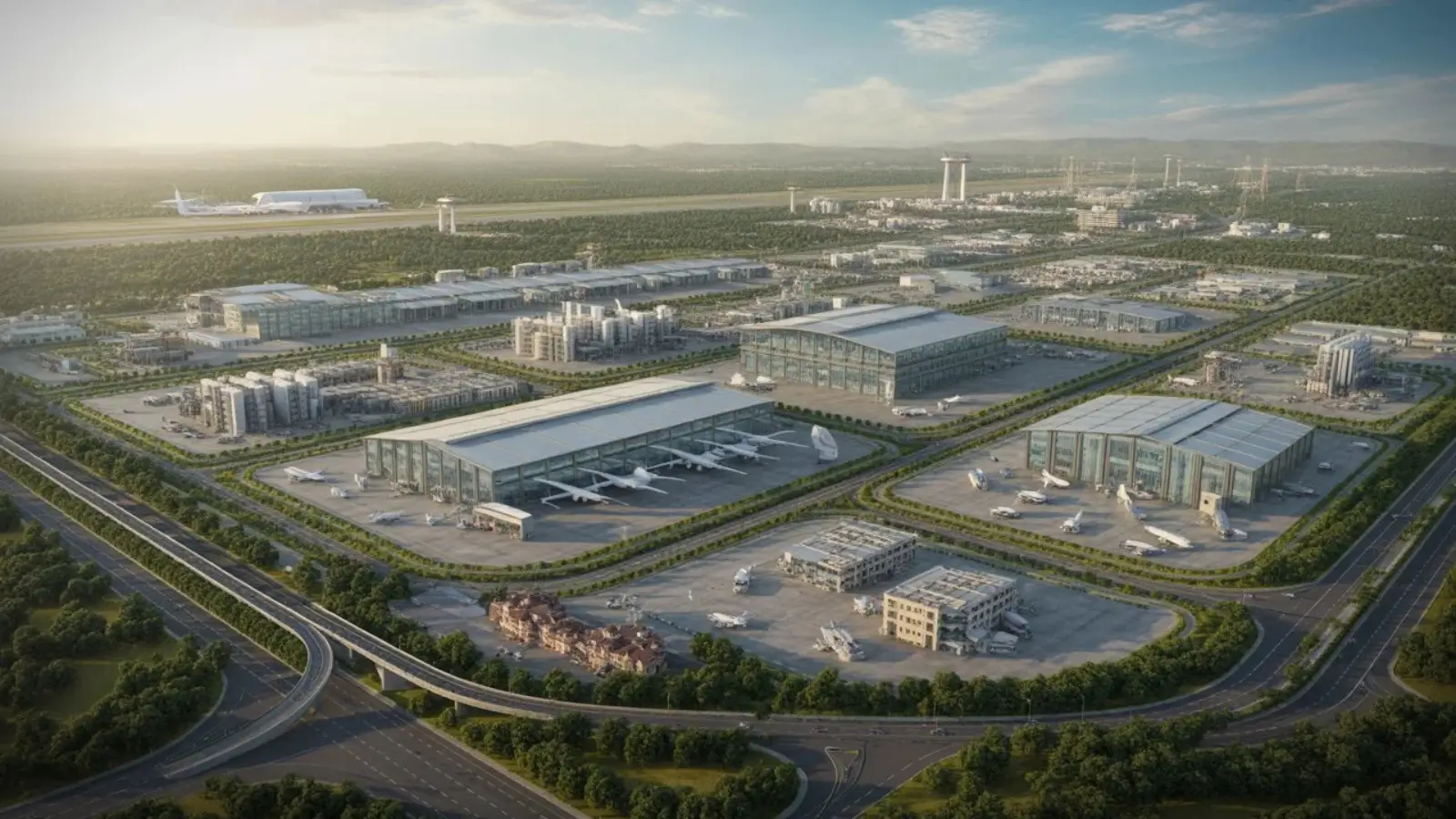
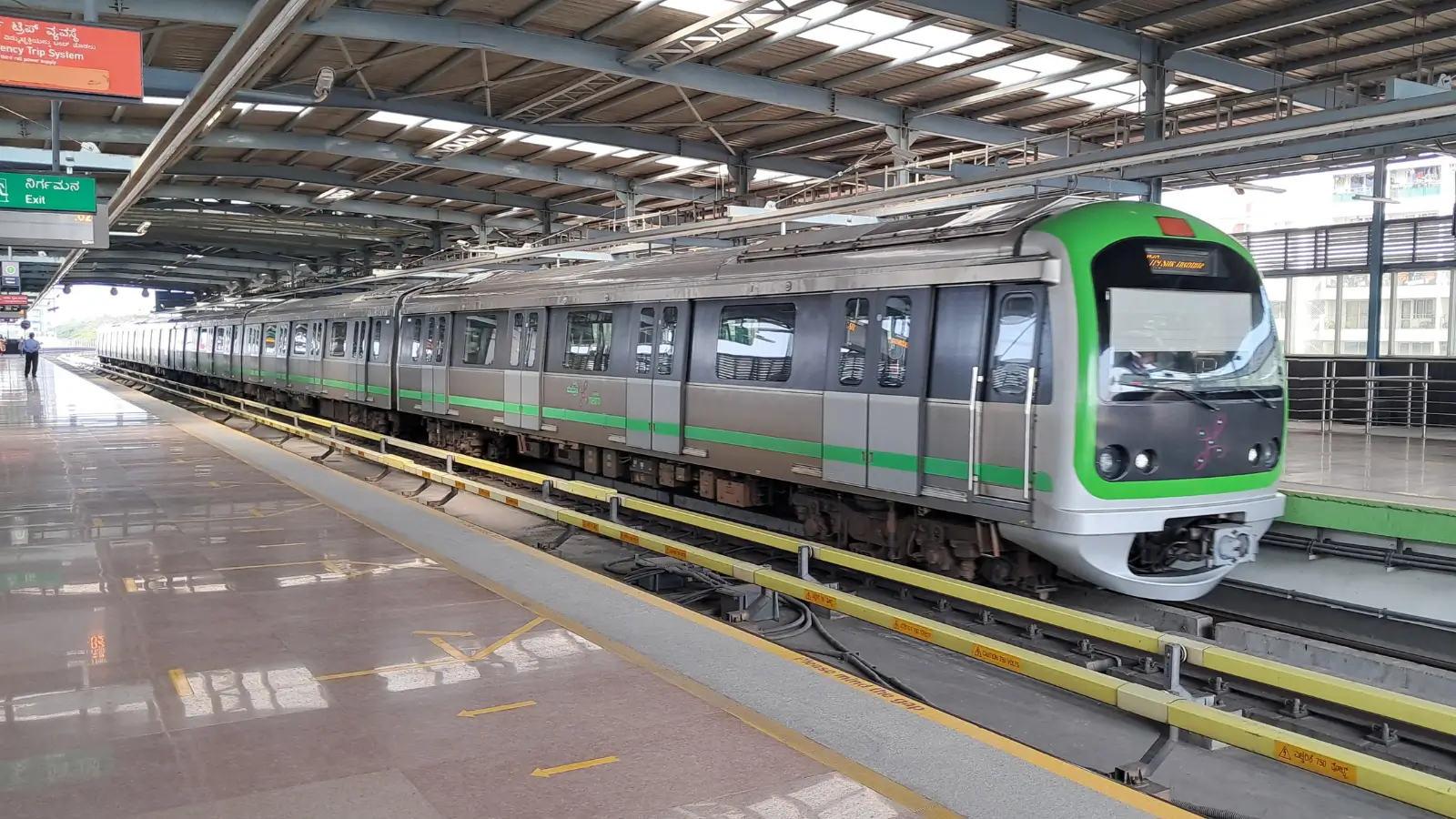
The case in favour rests on four things. Employment continues to concentrate here, with Bhartiya City at roughly 2.6 km from Thirumenahalli, Manyata Embassy Business Park at about 6.8 km, and the KIADB Aerospace Park at around 16 km. Two metro alignments are under construction rather than under discussion. Current averages near Rs 11,500 per sft sit below branded premium launches nearby at Rs 13,000 to Rs 16,000. And rental demand is supported by tenants who renew continuously because the offices nearby hire continuously.
Recent performance supports the direction without guaranteeing it. One-year appreciation reads 10.0% to 11.4% and three-year 56.5% to 57.7%. A stable-market outlook of 8% to 12% a year is a defensible assumption. On the income side, gross yields run 3.5% to 4% semi-furnished and 4% to 4.5% furnished on A-class benchmarks.
The caveats deserve equal weight. The 2025 figure was almost flat at a 0.5% rise, immediately following a 23.5% year — a reminder that this corridor consolidates as well as climbs. Peak-hour congestion on Thanisandra Main Road remains unresolved until the metro carries meaningful load. And metro timelines in Bengaluru have moved before, so any thesis leaning heavily on a 2027 commissioning date carries schedule risk.
Product selection matters more than corridor selection at this stage. With averages already near Rs 11,500 per sft, buying the market broadly is unlikely to repeat past returns. What can still outperform is scarce product — a scheme such as Codename Club Class, where 220 homes sit on approximately 3 acres with corner-only planning and a 30-acre lake fixing the western view, occupies a supply band that is difficult to reproduce.
For most buyers the sensible framing is a long hold rather than a trade. Transaction costs are real — GST at 5% on under-construction homes, stamp duty and registration at prevailing Karnataka rates, and maintenance from possession. A holding period through construction and several years beyond gives the corridor time to work. A short cycle relies on a mechanism this market does not reliably provide.
Related reading: Property Price Appreciation in Thanisandra and Where to Invest in North Bengaluru.
Planning a visit? Enquire with our team to book a site walkthrough or request the cost sheet.
FAQs
Is Thanisandra still worth investing in?
The fundamentals remain strong — employment, two metro lines under construction, and rates below nearby branded launches — but averages near Rs 11,500 per sft mean the corridor is no longer undiscovered.What returns has it delivered?
One-year appreciation of 10.0% to 11.4%, three-year of 56.5% to 57.7%, and ten-year of 139.6% to 144.8%.What are the main risks?
A near-flat 2025 at 0.5%, unresolved peak-hour congestion, and metro timelines that have moved before in Bengaluru.What holding period makes sense?
A long hold through construction and several years beyond. Transaction costs including 5% GST and stamp duty make short cycles difficult to justify.
Related Articles

Festive Season Home Buying in Bengaluru — Is It Really a Better Time?
Property enquiry in Bengaluru rises reliably between Navratri and the end of the calendar year. Cultural preference for auspicious timing, annual...

Rules That Shape a Bengaluru Property Purchase
Every residential purchase in Karnataka passes through a regulatory layer that shapes both cost and protection. Understanding which rules apply, and...
KIADB Aerospace Park and the Rise of the Airport Economy
Most Bengaluru housing corridors depend on a single industry, which is precisely what makes them vulnerable. The northern belt is unusual in carrying...
Namma Metro Phase 2B and Beyond — Where the Lines Stand
Bengaluru's metro expansion matters to property buyers because road capacity, not distance, is the binding constraint across most of the city. Two...