Where to Invest in North Bengaluru — Comparing the Growth Corridors

North Bengaluru is not a single market. Four distinct belts run through it, each at a different point in its cycle, and the price gaps between them...
North Bengaluru is not a single market. Four distinct belts run through it, each at a different point in its cycle, and the price gaps between them carry information that a single city-level average conceals entirely.
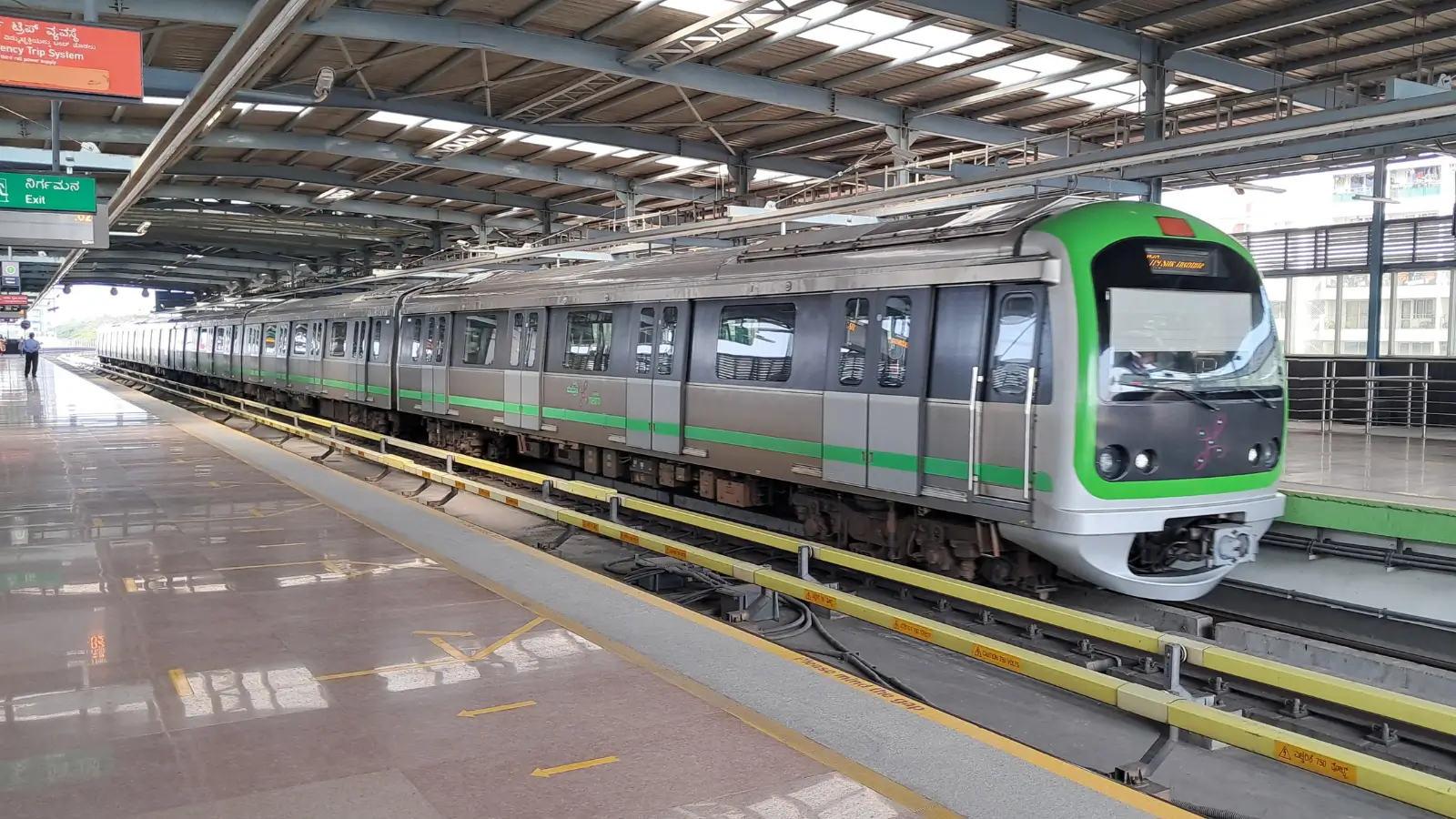
Hebbal sits at the mature end. Luxury stock there trades between Rs 18,000 and Rs 24,000 per sft, with established addresses around Rs 23,000 per sft on resale and luxury inventory at Hebbal and Nagavara nearer Rs 18,000. It offers proximity to the central business district, a major Outer Ring Road interchange, and a station that will carry the Blue Line alongside an approved Orange Line. Appreciation from that base is necessarily slower than from a lower one.
Yelahanka occupies the middle. Premium projects run around Rs 18,000 per sft at the top end and roughly Rs 17,500 per sft for luxury stock, supported by a planned township layout, a deep school catchment and a railway station. It is closer to the airport and the aerospace belt than to Manyata, which shapes who it suits.
Thanisandra is the younger corridor of the three, with averages near Rs 11,500 per sft rising to around Rs 11,750 on the main road, inside a range of roughly Rs 10,700 to Rs 15,300. Branded premium launches within the corridor price at Rs 13,000 to Rs 16,000. Five-year appreciation of 90.1% to 94.2% outpaces what a mature belt would typically deliver over the same window.
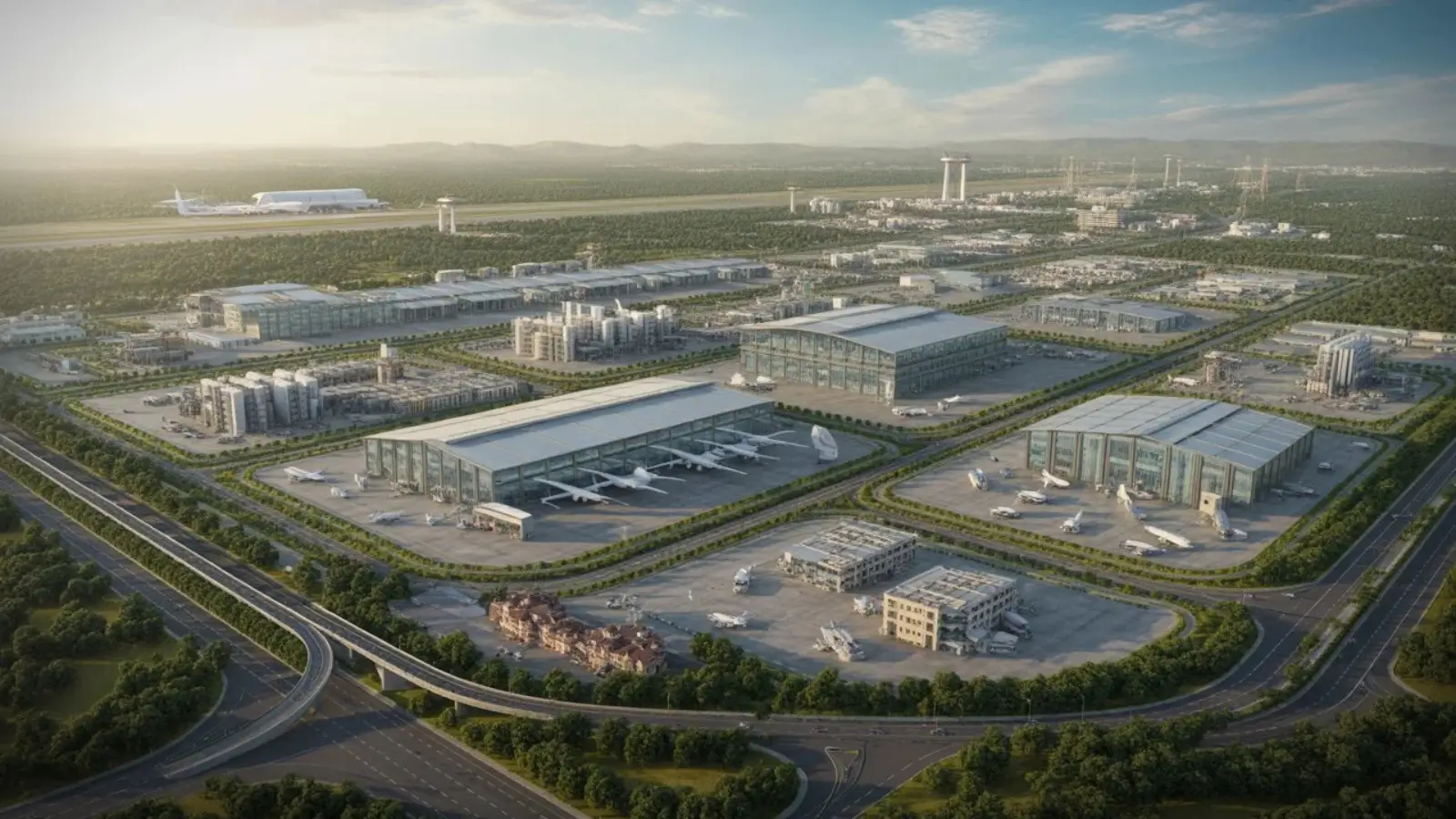
The airport belt around Devanahalli sits at the earliest stage, anchored by the KIADB Aerospace Park and ITIR roughly 16 km from Thirumenahalli. Earlier-stage belts carry higher potential and higher execution risk, since they depend on employment arriving as planned rather than on employment that already exists.
Choosing between them comes down to what an investor is buying. A mature belt sells certainty at a price. A younger corridor sells re-rating potential with congestion and timeline risk attached. Thanisandra currently offers employment that already exists alongside infrastructure still arriving — which is a narrower window than either extreme, and the reason schemes such as Codename Club Class at roughly Rs 11,736 per sft on the entry plan attract attention from investors comparing across all four.
Related reading: Thanisandra vs Hebbal and Is Thanisandra Good for Investment.
Planning a visit? Enquire with our team to book a site walkthrough or request the cost sheet.
FAQs
Which North Bengaluru corridor is cheapest?
Thanisandra, with averages near Rs 11,500 per sft, against Hebbal luxury at Rs 18,000 to Rs 24,000 and Yelahanka premium stock around Rs 17,500 to Rs 18,000.Which corridor has grown fastest?
Thanisandra, with five-year appreciation of 90.1% to 94.2%, outpacing what a mature belt would typically deliver.What does Hebbal offer for its premium?
CBD proximity, a major Outer Ring Road interchange, and a station carrying the Blue Line alongside an approved Orange Line.What is the trade-off with earlier-stage belts?
Higher potential with higher execution risk, since they depend on employment arriving as planned rather than employment that already exists.
Related Articles

Festive Season Home Buying in Bengaluru — Is It Really a Better Time?
Property enquiry in Bengaluru rises reliably between Navratri and the end of the calendar year. Cultural preference for auspicious timing, annual...

Rules That Shape a Bengaluru Property Purchase
Every residential purchase in Karnataka passes through a regulatory layer that shapes both cost and protection. Understanding which rules apply, and...
KIADB Aerospace Park and the Rise of the Airport Economy
Most Bengaluru housing corridors depend on a single industry, which is precisely what makes them vulnerable. The northern belt is unusual in carrying...
Namma Metro Phase 2B and Beyond — Where the Lines Stand
Bengaluru's metro expansion matters to property buyers because road capacity, not distance, is the binding constraint across most of the city. Two...