How the Satellite Town Ring Road Changes North Bengaluru Property
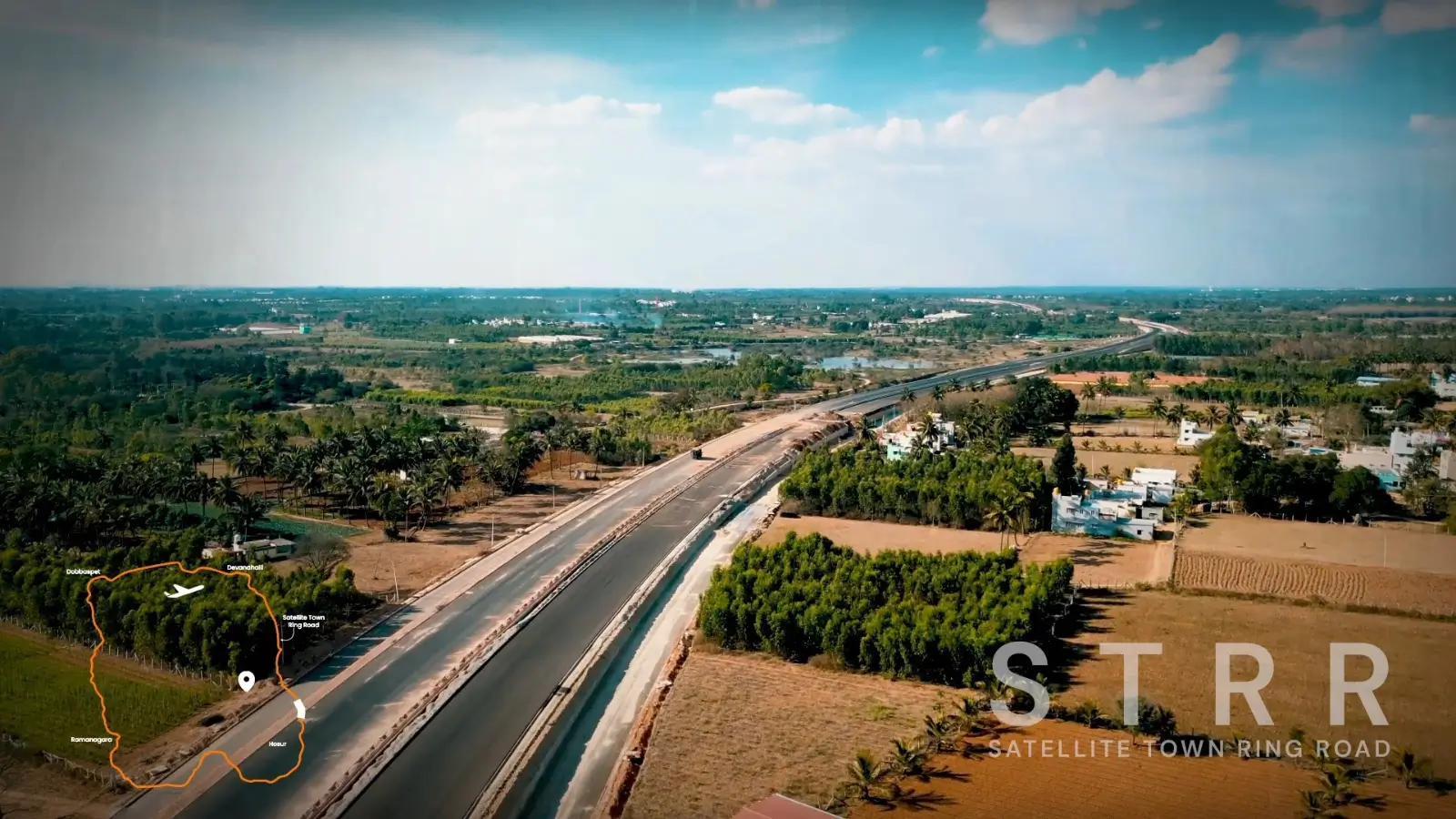
The Satellite Town Ring Road is flagged at roughly 35 minutes from the Thirumenahalli belt, and it belongs to a different category from the metro...
The Satellite Town Ring Road is flagged at roughly 35 minutes from the Thirumenahalli belt, and it belongs to a different category from the metro projects that dominate local discussion. Where a metro line moves commuters, a regional ring road moves freight, industry and inter-city traffic — and its property effects follow a different pattern as a result.
Ring roads reshape land values by changing what counts as accessible. A parcel that was peripheral relative to the city becomes central relative to the region once a ring corridor connects it to satellite towns and highways. That shift historically drives industrial and logistics demand first, employment second, and residential demand third, which is why the residential effect lags the infrastructure by several years.
For North Bengaluru specifically, the STRR compounds an advantage that already exists. This belt holds the airport, the aerospace cluster at the KIADB park roughly 16 km from Thirumenahalli, and a substantial office concentration at Manyata and Bhartiya City. A regional corridor linking those assets to the wider network strengthens the case for employers to locate here rather than elsewhere in the metro.
Residential demand follows employment with a predictable delay. The appreciation record on this corridor illustrates the pattern: rates on Thanisandra Main Road moved from Rs 4,590 per sft in 2016 to Rs 10,550 per sft by 2025, with the steepest single year in 2024 at 23.5%. Ten-year appreciation reads 139.6% to 144.8%, which is the shape of a corridor absorbing sustained infrastructure investment.
A stable-market outlook of 8% to 12% a year is a reasonable working assumption for this belt, with potential uplift around metro commissioning. That range is not a forecast and should not be treated as one. It describes what the corridor has broadly delivered through a period of heavy investment, under conditions that may or may not repeat.
The practical takeaway for a buyer at a project such as Codename Club Class is about time horizon rather than timing. Regional infrastructure rewards patience, not entry precision. A household planning to hold through possession and several years beyond is positioned to benefit; one looking for a short-cycle gain is relying on a mechanism that ring roads do not reliably provide.
Related reading: Upcoming Infrastructure in North Bengaluru and The Hennur–Bagalur Road Explained.
Planning a visit? Enquire with our team to book a site walkthrough or request the cost sheet.
FAQs
How far is the STRR from Thirumenahalli?
The Satellite Town Ring Road is flagged at roughly 35 minutes from this belt.How does a ring road affect property values?
It changes what counts as accessible regionally, typically drawing industrial and logistics demand first, employment second, and residential demand third.What appreciation has the corridor recorded?
Rates on Thanisandra Main Road rose from Rs 4,590 per sft in 2016 to Rs 10,550 by 2025, with ten-year appreciation of 139.6% to 144.8%.What outlook is reasonable?
A stable-market range of 8% to 12% a year, with potential uplift around metro commissioning. This is an assumption, not a forecast.
Related Articles

Festive Season Home Buying in Bengaluru — Is It Really a Better Time?
Property enquiry in Bengaluru rises reliably between Navratri and the end of the calendar year. Cultural preference for auspicious timing, annual...

Rules That Shape a Bengaluru Property Purchase
Every residential purchase in Karnataka passes through a regulatory layer that shapes both cost and protection. Understanding which rules apply, and...

KIADB Aerospace Park and the Rise of the Airport Economy
Most Bengaluru housing corridors depend on a single industry, which is precisely what makes them vulnerable. The northern belt is unusual in carrying...
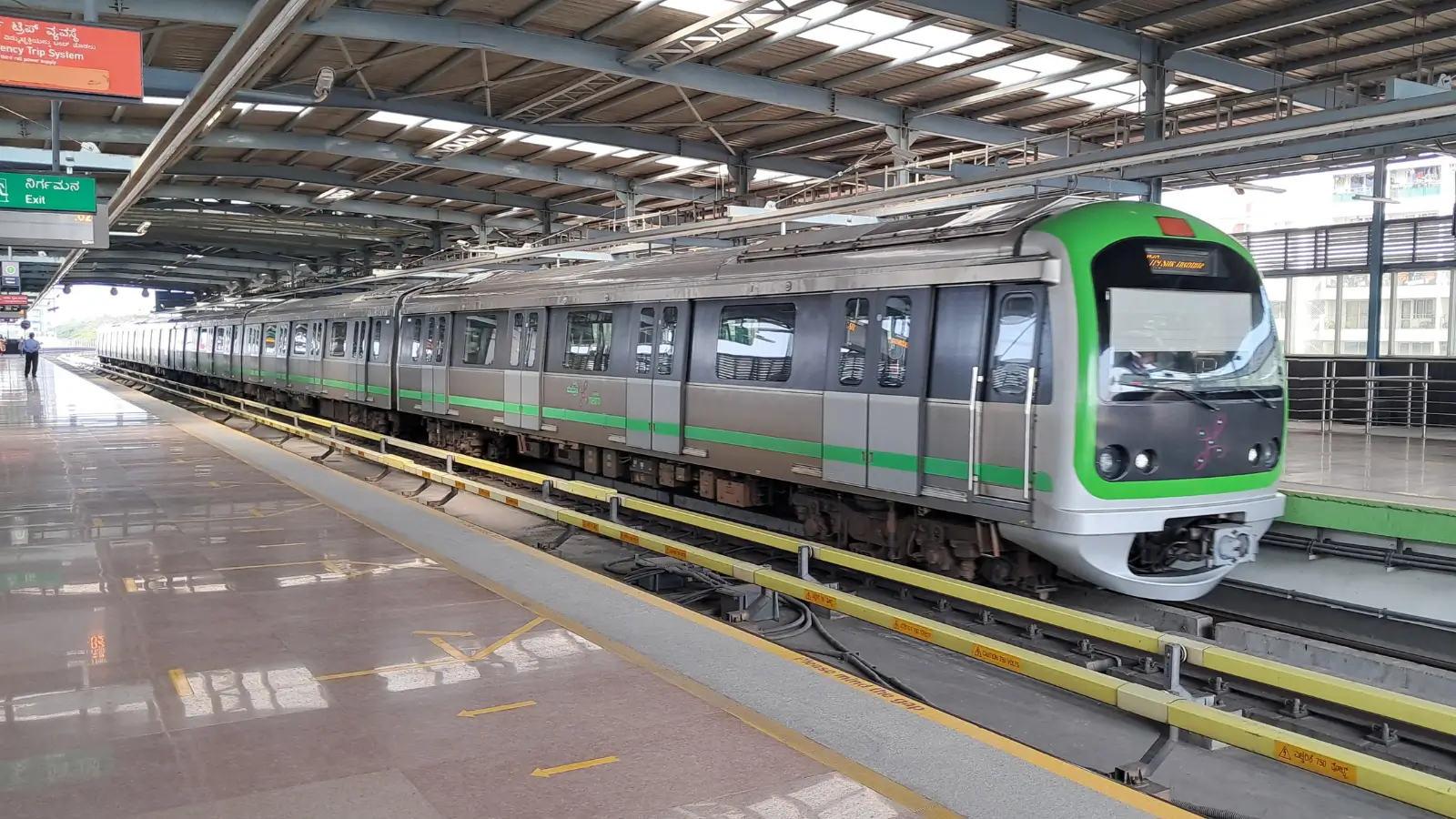
Namma Metro Phase 2B and Beyond — Where the Lines Stand
Bengaluru's metro expansion matters to property buyers because road capacity, not distance, is the binding constraint across most of the city. Two...