Bengaluru's Startup Economy and the Homes It Creates Demand For
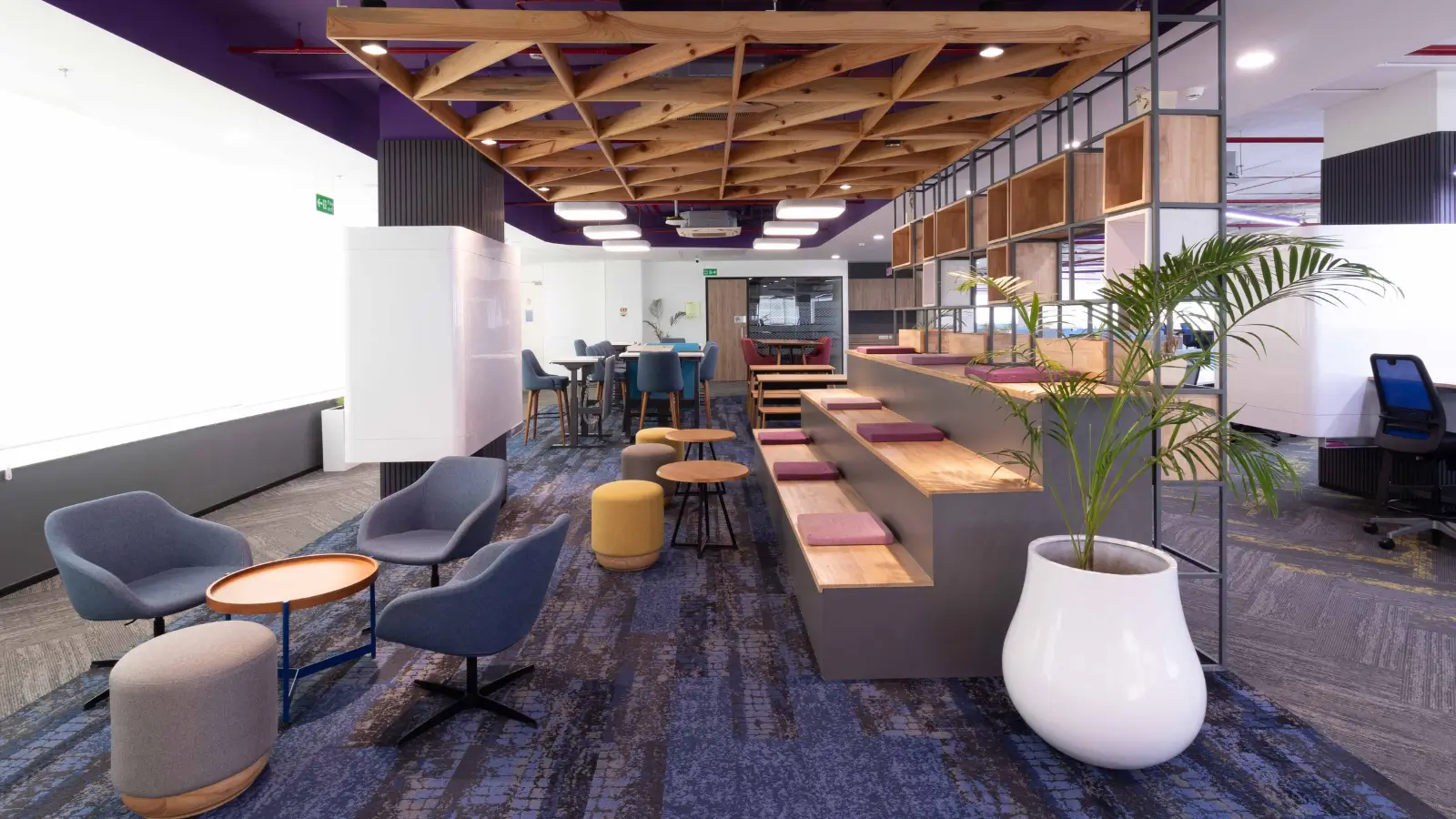
Bengaluru's position as India's startup capital is well established, and the developer's own case for Thanisandra cites Fortune 500 campuses and...
Bengaluru's position as India's startup capital is well established, and the developer's own case for Thanisandra cites Fortune 500 campuses and unicorn headquarters among the corridor's drawing cards. What gets discussed less often is how that employment base buys housing differently from a purely salaried one.
Founders and senior operators tend to purchase on different criteria. Liquidity events arrive in lumps rather than as monthly income, which favours outright purchase or lower leverage. Working patterns are less tied to a single campus, which broadens the acceptable commute band. And the buyer is often younger than a traditional premium purchaser, with different expectations of what a home should do.
Work-from-home requirements follow directly from that. A household where one or both adults run a business or lead a team needs a room that holds calls without interruption. Three of the eight plans at Codename Club Class carry a dedicated study of roughly 12 ft by 8 ft beside the foyer, with real walls and a door rather than a partition — a specification driven by exactly this shift in how homes get used.
Location preferences skew toward optionality. A senior operator may work from Manyata at approximately 6.8 km this year and from a Bhartiya City office at around 2.6 km the next, or split time between an office and international travel. An address with three road exits and airport access at roughly 21.6 km carries more optionality than one optimised for a single campus commute.
Product expectations differ too. This buyer group tends to prioritise low density, privacy and outdoor space over amenity count, having often experienced the gap between an amenity list and its usability in a large development. Two hundred and twenty homes on approximately 3 acres with roughly 80% open space and corner-only planning speaks directly to that preference.
The caveat worth stating is that this demand is more cyclical than salaried demand. Funding environments tighten, liquidity events pause, and the segment slows faster than the broader market. A corridor supported by large established employers alongside a startup base — as this one is, with IBM, Cognizant, Nokia, Philips and ANZ at Manyata — is better insulated than one dependent on the newer economy alone.
Related reading: How the IT Sector Drives Housing Demand and The Study Room Advantage.
Planning a visit? Enquire with our team to book a site walkthrough or request the cost sheet.
FAQs
How do founders buy differently?
Liquidity events arrive in lumps rather than as monthly income, which favours outright purchase or lower leverage, and working patterns broaden the acceptable commute band.What does this mean for home design?
Dedicated work space matters. Three of the eight plans carry a study of roughly 12 ft by 8 ft beside the foyer with real walls and a door.Why does optionality matter to this buyer?
Work locations shift. Three road exits and airport access at roughly 21.6 km carry more value than optimisation for a single campus commute.Is startup-driven demand reliable?
Less so than salaried demand. It slows faster when funding tightens, which is why a mix of established employers alongside it matters.
Related Articles

Festive Season Home Buying in Bengaluru — Is It Really a Better Time?
Property enquiry in Bengaluru rises reliably between Navratri and the end of the calendar year. Cultural preference for auspicious timing, annual...

Rules That Shape a Bengaluru Property Purchase
Every residential purchase in Karnataka passes through a regulatory layer that shapes both cost and protection. Understanding which rules apply, and...

KIADB Aerospace Park and the Rise of the Airport Economy
Most Bengaluru housing corridors depend on a single industry, which is precisely what makes them vulnerable. The northern belt is unusual in carrying...
Namma Metro Phase 2B and Beyond — Where the Lines Stand
Bengaluru's metro expansion matters to property buyers because road capacity, not distance, is the binding constraint across most of the city. Two...