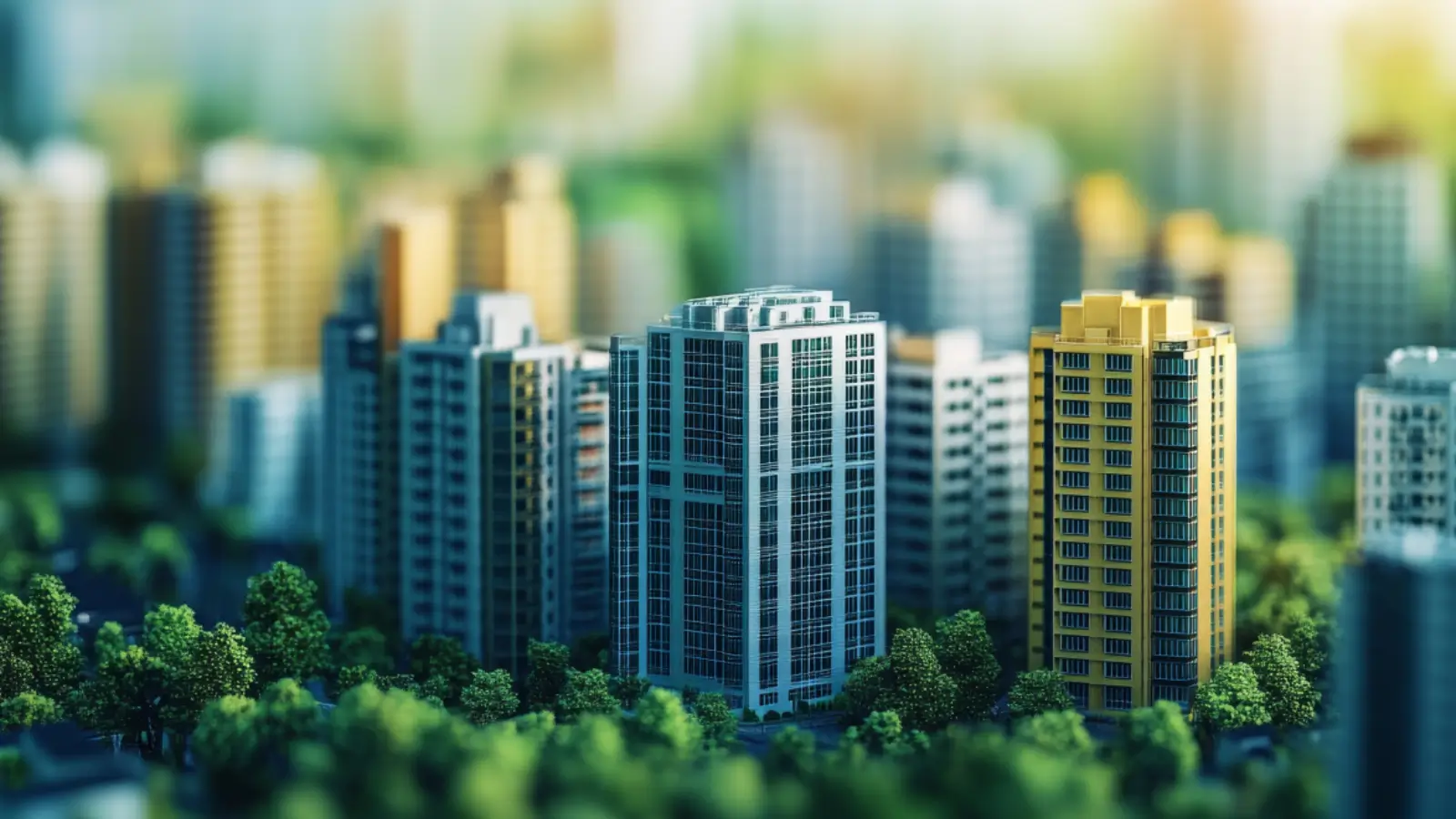
Bengaluru remains the deepest residential market in the country, and the reason has not changed in two decades — employment keeps arriving. Demand...
Bengaluru remains the deepest residential market in the country, and the reason has not changed in two decades — employment keeps arriving. Demand here follows people relocating for work rather than investors trading paper, which is why the market has behaved with less volatility than its scale might suggest.
The northern corridor illustrates the pattern most clearly. Rates on Thanisandra Main Road moved from Rs 4,590 per sft in 2016 to Rs 10,550 per sft by 2025, with current averages near Rs 11,500 for Thanisandra and around Rs 11,750 on the main road. Ten-year appreciation reads 139.6% to 144.8%, which compounds to roughly 9.1% to 9.4% a year.
Growth has not been even, and the recent path is worth reading carefully. The steepest year in the series was 2024, at 23.5%, followed almost immediately by a near-flat 2025 at 0.5%. That sequence is the ordinary shape of a market absorbing a rapid repricing, and it argues against extrapolating any single strong year forward.
Supply at the premium end has not kept pace with demand on the better addresses. Assembling clean, well-located land inside established corridors has become difficult and expensive, which means new schemes arrive carrying a higher cost base than the stock they compete against. Branded premium launches around Thanisandra now price at Rs 13,000 to Rs 16,000 per sft against a corridor average near Rs 11,500.
For 2026 and beyond, a stable-market outlook of 8% to 12% a year is a defensible working assumption for this belt, with potential uplift around metro commissioning. On the income side, A-class developer benchmarks put gross rental yields at 3.5% to 4% semi-furnished and 4% to 4.5% furnished, supported by continuous corporate hiring rather than seasonal demand.
Two risks deserve weight in any forward view. Metro timelines in Bengaluru have moved before, so a thesis leaning heavily on a 2027 commissioning carries schedule exposure. And transaction costs — 5% Goods and Services Tax on under-construction homes, plus stamp duty and registration at prevailing Karnataka rates — make short holding periods difficult to justify regardless of how the market performs. Projects such as Codename Club Class suit buyers planning a long hold rather than a trade.
Related reading: Property Price Appreciation in Thanisandra and How the IT Sector Drives Housing Demand.
Planning a visit? Enquire with our team to book a site walkthrough or request the cost sheet.
FAQs
What is the outlook for Bengaluru residential in 2026?
A stable-market range of 8% to 12% a year is a defensible assumption for the northern corridor, with potential uplift around metro commissioning.How have northern corridor rates moved?
From Rs 4,590 per sft in 2016 to Rs 10,550 by 2025, with current averages near Rs 11,500 to Rs 11,750 per sft.Was growth steady?
No. The steepest year was 2024 at 23.5%, followed by a near-flat 2025 at 0.5%, which argues against extrapolating a single strong year.What are the main risks?
Metro timeline slippage, and transaction costs including 5% GST and stamp duty that make short holding periods hard to justify.
Related Articles

Festive Season Home Buying in Bengaluru — Is It Really a Better Time?
Property enquiry in Bengaluru rises reliably between Navratri and the end of the calendar year. Cultural preference for auspicious timing, annual...

Rules That Shape a Bengaluru Property Purchase
Every residential purchase in Karnataka passes through a regulatory layer that shapes both cost and protection. Understanding which rules apply, and...
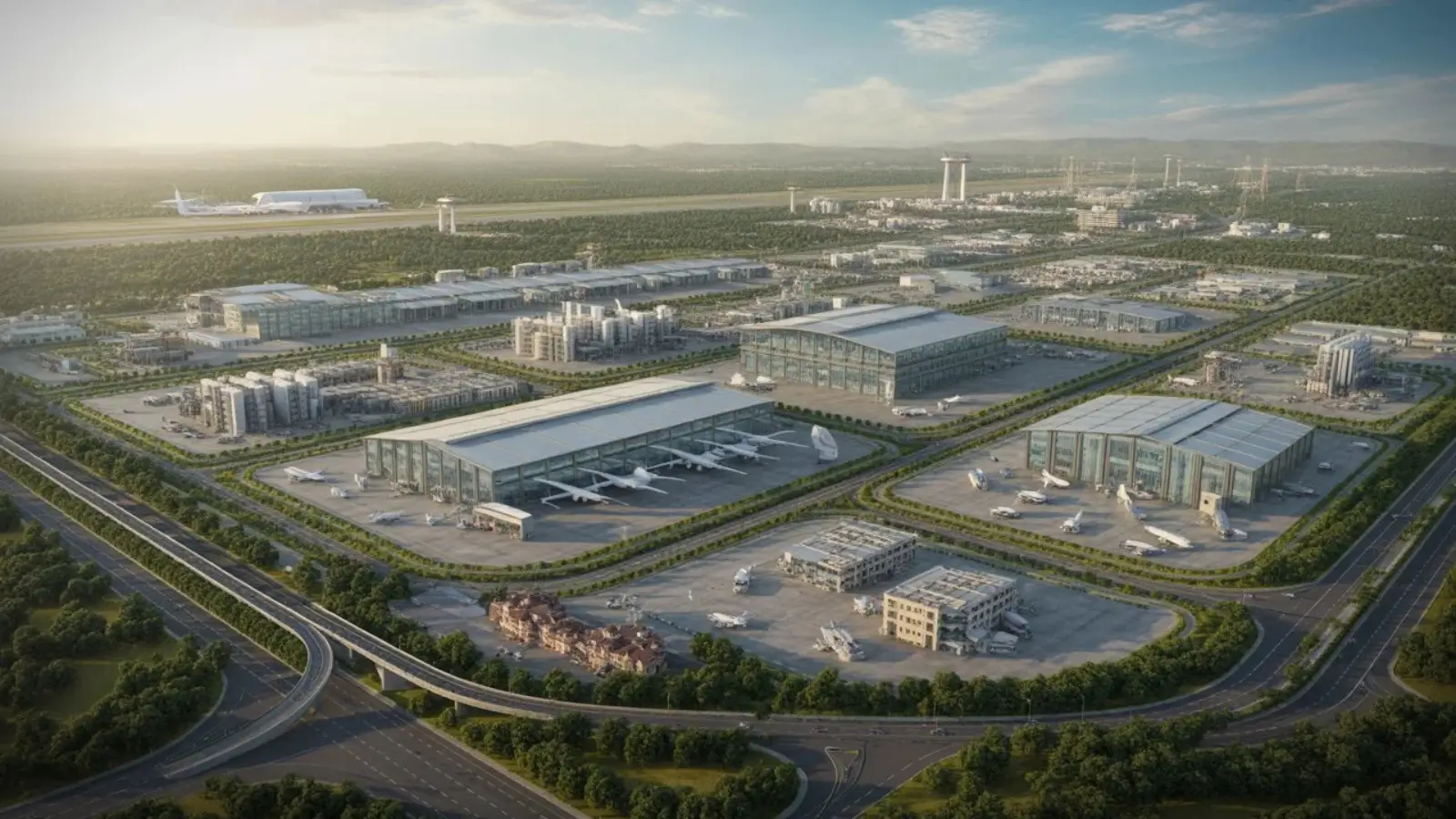
KIADB Aerospace Park and the Rise of the Airport Economy
Most Bengaluru housing corridors depend on a single industry, which is precisely what makes them vulnerable. The northern belt is unusual in carrying...
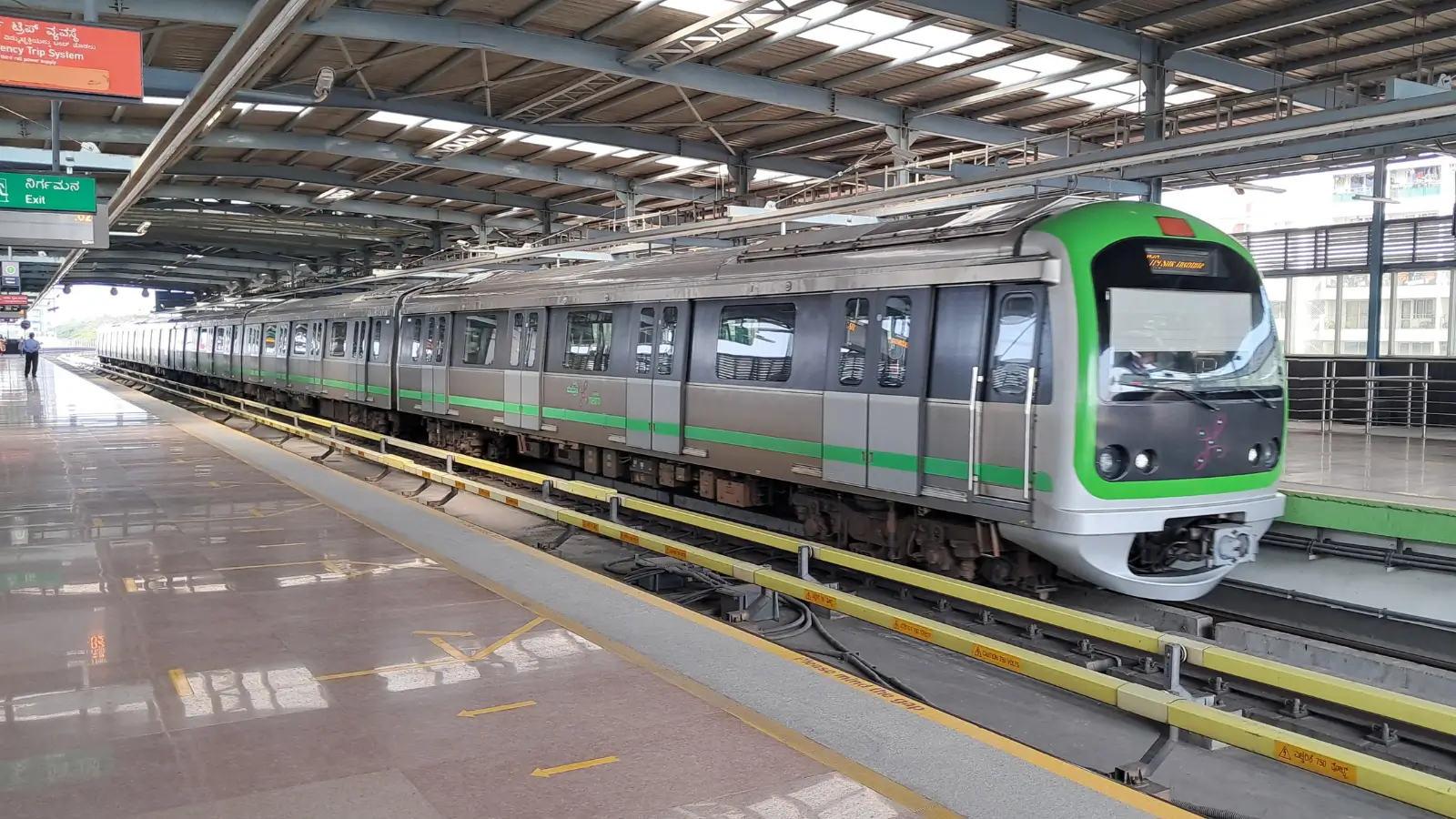
Namma Metro Phase 2B and Beyond — Where the Lines Stand
Bengaluru's metro expansion matters to property buyers because road capacity, not distance, is the binding constraint across most of the city. Two...